
When Should Traders Exit Positions? A Clear Plan

A position can be profitable, perfectly timed, and still become a bad trade if you do not know how to exit it. That is why the question of when should traders exit positions matters as much as finding an entry. The market does not reward hope, attachment, or a vague promise to “watch it closely.” It rewards traders who define their risk, recognize changing price behavior, and act when their original trade idea is no longer valid.
The best exit is rarely a single indicator or a fixed percentage. It is a decision tied to your setup, time frame, and risk tolerance. A day trader managing a five-minute breakout should not use the same exit logic as a swing trader holding a stock through a multi-day trend. What matters is having a plan before the position starts demanding an emotional decision.
When Should Traders Exit Positions? Start Before Entry
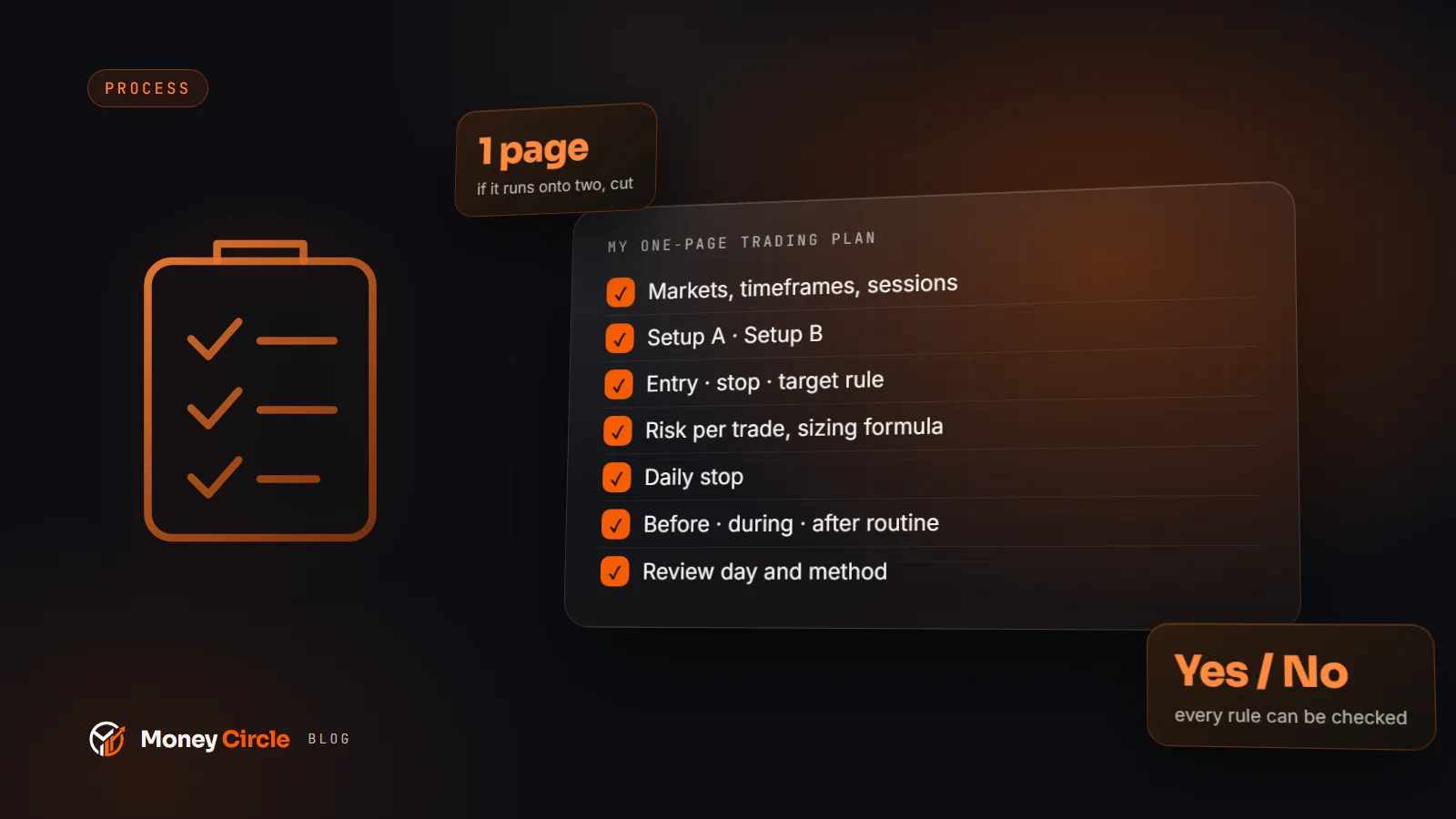
Exit decisions are easiest when they are made before you buy or sell. Every trade should answer three questions: where are you wrong, where is the first realistic target, and what will tell you the trend is still working?
Your stop-loss defines the point where the setup has failed. It should sit beyond a meaningful chart level, not at a random dollar amount that happens to feel tolerable. For a long trade, that may be below a recent swing low, a support zone, or the low of the breakout candle. For a short trade, it may be above a key resistance level or recent swing high.
A profit target should also come from the chart. Nearby resistance, prior highs, measured moves, and major moving averages can all create areas where price may pause or reverse. Entering a trade with no target often leads to the same result: traders take profits too early out of fear or hold too long because a winner feels too good to close.
The third element is the management rule. Decide whether you will take partial profits at the first target, trail your stop behind higher lows, or close the entire position at a predefined level. There is no universal best method. The right choice depends on whether your strategy is built to capture short bursts of momentum or longer trends.
Exit a Losing Position When the Trade Thesis Breaks
The clearest reason to exit is simple: price has invalidated the setup. If you bought a breakout above resistance and price falls back below that level with strong selling volume, the market is telling you the breakout may have failed. Staying in because the trade could recover is no longer disciplined analysis. It is a new, unplanned bet.
A stop-loss is not evidence that you are a bad trader. It is the cost of protecting capital. Small, controlled losses allow you to take the next high-quality setup. Large losses reduce both your account and your ability to make rational decisions.
Avoid moving a stop farther away just to keep a position alive. There are limited exceptions, such as reducing size while adjusting to a broader time-frame setup, but that decision should be based on a clearly identified support or resistance level. It should never happen because you do not want to accept the loss.
Watch for Failed Breakouts and Broken Structure
Price structure gives traders an objective way to assess whether a position still deserves capital. In an uptrend, price should generally form higher highs and higher lows. If a long position breaks below the most recent higher low, momentum may be weakening. In a downtrend, a short position becomes less attractive when price starts reclaiming prior lower highs.
Failed breakouts deserve special attention. A stock, forex pair, or crypto asset can push through resistance, trigger entries, then quickly reverse beneath the level. That rejection often traps late buyers and can accelerate selling. The same logic applies to breakdowns that reclaim support.
Do not treat every small pullback as a reason to exit. Volatility is normal. The key question is whether price is pulling back within the expected structure of the trade or breaking the level that made the setup valid in the first place.
Take Profits at Logical Price Levels
A winning trade also needs an exit plan. The temptation is to wait for the absolute top or bottom, but that goal creates inconsistent execution. Traders do not need to capture every last point. They need repeatable decisions that produce a favorable risk-to-reward profile over many trades.
For long positions, potential profit-taking areas often include prior swing highs, overhead resistance, psychological whole-number levels, and the upper boundary of a trading range. For shorts, look at prior lows, support zones, and range bottoms. If price reaches one of these levels after a strong move, it may be a sensible place to reduce risk.
Partial exits can be useful when a trade has reached a first target but the broader trend remains intact. Selling a portion locks in gains and reduces emotional pressure. You can then let the remaining position run with a tighter stop. This approach is particularly useful in volatile markets, where sharp reversals can erase an open profit quickly.
There is a trade-off. Taking partial profits can reduce your payoff when a major trend develops. Holding everything can produce larger winners but also exposes more of the position to reversals. Test both approaches against your strategy instead of choosing based on whichever result feels better after one trade.
Use Trailing Stops to Stay With Strong Trends
A trailing stop gives a winning position room to work while protecting a growing portion of the profit. Rather than selecting an arbitrary trailing distance, anchor the stop to price behavior. A swing trader might move a stop below each new higher low. A faster trader might use a short-term moving average, the prior candle low, or a volatility-based measure such as average true range.
The tighter the trailing stop, the more often normal market noise will take you out. The wider the stop, the more open profit you may give back. Neither is automatically wrong. Match the stop to the chart time frame and the asset’s usual volatility.
If Bitcoin regularly moves several percentage points in a session, a very tight stop may have little value. If you are trading a slow-moving large-cap stock near a well-defined resistance level, a tighter management rule may be more appropriate.
Exit When Momentum and Context Change
Not every exit comes from hitting a hard stop or target. Sometimes the market gives early evidence that the trade is losing strength. Momentum may slow as price approaches resistance. Volume may fade during an attempted breakout. A series of strong trend candles may be followed by repeated rejection wicks and lower highs.
These signals are not automatic sell commands by themselves. They matter most when they occur at important chart levels. A bearish reversal candle in the middle of a strong uptrend may mean very little. The same candle at major resistance, after an extended rally, deserves more respect.
Context also includes events outside the chart. Earnings releases, economic data, central bank decisions, and major crypto-specific announcements can change volatility in minutes. If your strategy does not include holding through these events, exiting or reducing size beforehand may be the disciplined choice. Holding through event risk can be valid, but only if it was part of the plan from the start.
Avoid Emotional Exit Decisions
Most poor exits are not caused by a lack of indicators. They are caused by fear, greed, and inconsistent rules. Traders sell a winner because they fear losing a small gain, then watch it continue higher. Or they keep averaging into a loser because closing it would make the loss real.
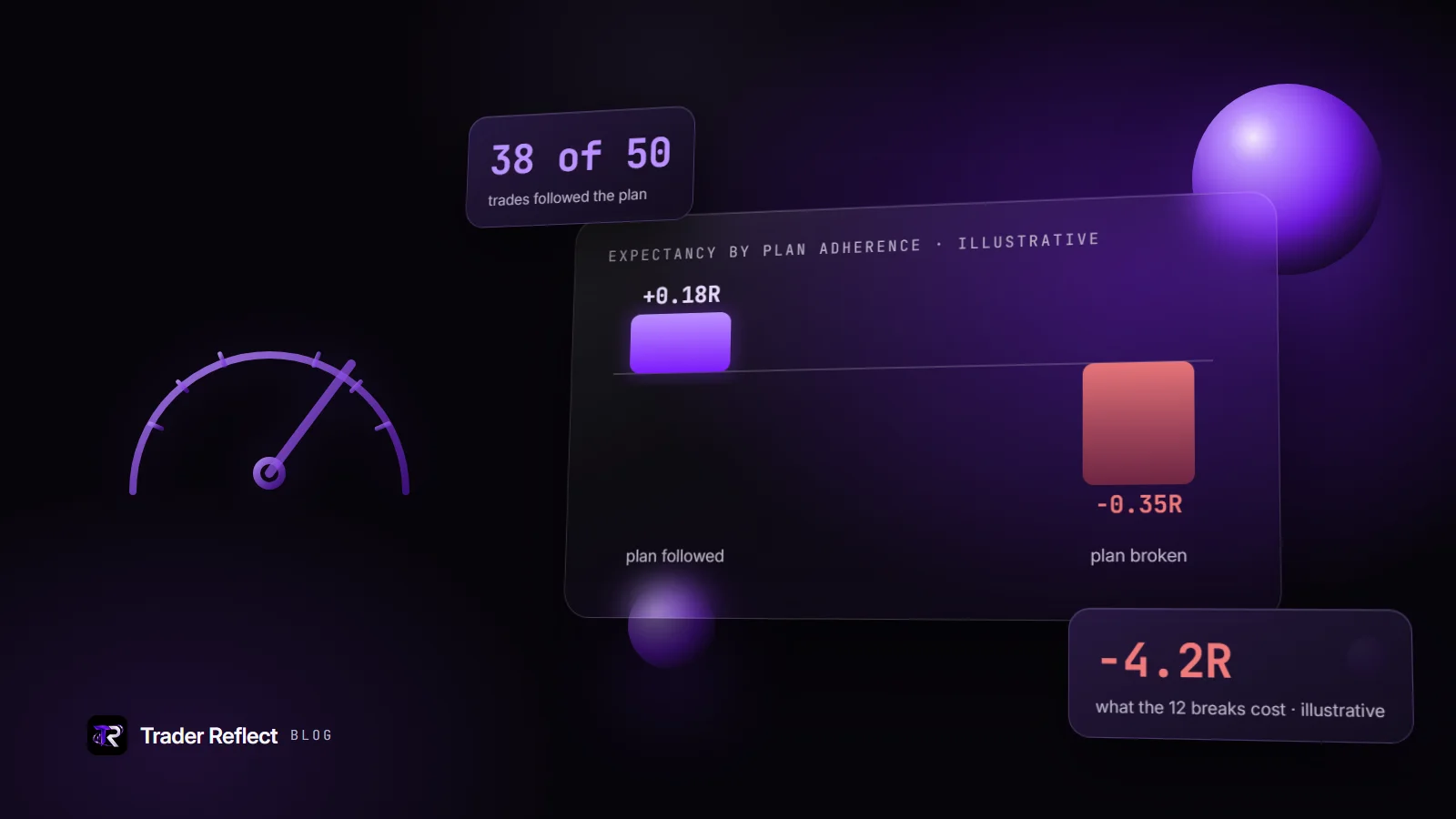
A simple trade journal can expose these patterns. Record the entry reason, stop level, target, exit reason, and whether you followed the plan. After a meaningful sample of trades, review which exit decisions improved results and which were emotional interventions.
Chart review tools can make this process faster. ChartViews AI can help traders identify trend direction, support, resistance, and potential exit zones from an uploaded chart, creating a more structured starting point for the decision. The tool should support your rules, not replace them. You remain responsible for position size, risk, and execution.
Build an Exit Process You Can Repeat
Before entering, mark the invalidation level and at least one realistic target. Once in the trade, monitor whether market structure remains intact rather than reacting to every tick. If price reaches your target, follow the plan: take profits, trail the stop, or close the position. If the setup breaks, exit without negotiation.
The goal is not to exit every trade at the perfect moment. Perfect exits only become obvious after the chart has finished printing. The goal is to preserve capital, protect gains when the market offers them, and make the same high-quality decision whether the last trade was a win or a loss.
A clear exit rule turns a chart from something you react to into something you can act on with confidence.
Educational content, not financial advice. Trading involves risk of loss.
 Money Circle Blog
 Trader Reflect Blog