7 Best Trend Analysis Software Tools
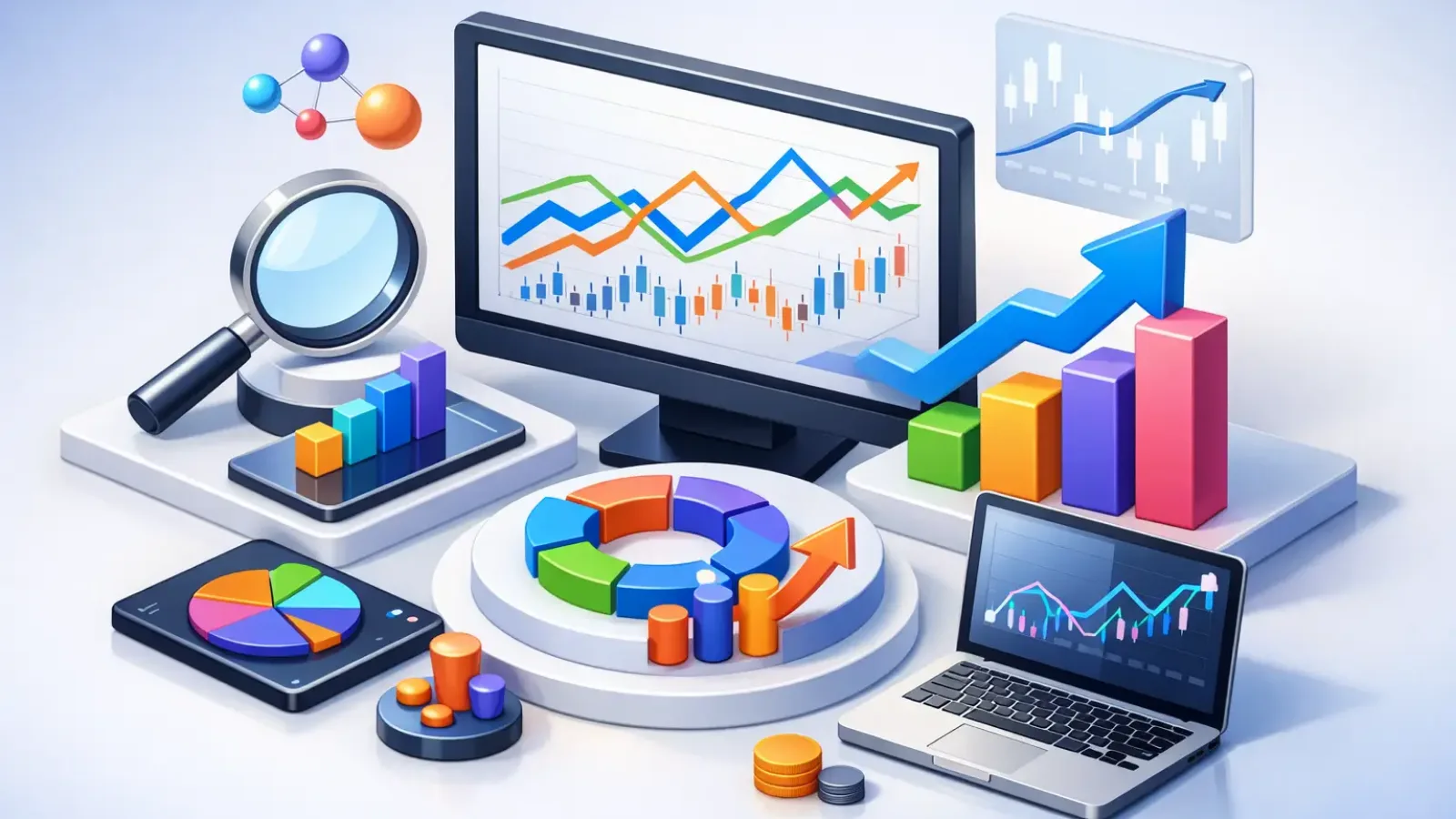
Most traders do not lose time because markets move too fast. They lose time because chart review gets messy. One setup turns into five tabs, three indicators, and a lot of second-guessing. That is exactly why demand for the best trend analysis software keeps rising. The right platform does more than draw lines or flash signals. It helps you identify direction faster, validate levels, and make cleaner entry and exit decisions with less hesitation.
For active traders, this is not really a software category question. It is a workflow question. If your current process leaves you staring at charts too long, missing momentum shifts, or forcing trades because your analysis is inconsistent, your tool stack is working against you.
What the best trend analysis software should actually do
A lot of platforms claim to help with trend analysis, but the gap between basic charting and decision-ready analysis is wide. Good software should reduce noise, not add another layer of it.
At minimum, it should help you spot trend direction across timeframes, identify support and resistance with reasonable accuracy, and give you enough structure to act with confidence. For newer traders, that means less guesswork. For experienced traders, it means faster confirmation and less time spent manually checking every setup.
The best tools also handle trade-offs well. More indicators are not always better. More automation is not always better either. If a platform gives you ten conflicting signals, it is not saving you time. If it oversimplifies market structure, it may create false confidence. The sweet spot is software that speeds up chart interpretation while still letting you apply judgment.
7 best trend analysis software options for traders
1. TradingView
TradingView is still the default benchmark for many retail traders, and for good reason. It is flexible, widely used, and strong on charting across stocks, forex, crypto, and futures. Its indicator library is massive, and its multi-timeframe chart analysis makes trend review easier than on many broker-native platforms.
Where it stands out is visual clarity and customization. You can build a workflow around moving averages, trendlines, structure, volume, and momentum tools without feeling boxed in.
The trade-off is that TradingView can become too open-ended. For disciplined traders, that flexibility is a strength. For traders already dealing with analysis paralysis, it can make over-analysis worse.
2. TrendSpider
TrendSpider is built for traders who want more automation in technical analysis. Its automated trendlines, market scanning, and alerting can save serious time, especially if you review many symbols each day.
This is one of the stronger options if your goal is efficiency. Instead of manually redrawing levels and scanning for repeated conditions, you can push more of that process into the software.
The trade-off is trust. Automated technical analysis is helpful, but not every auto-drawn trendline or level will match how you would read the chart. Traders who do best with TrendSpider usually treat it as a speed tool, not a replacement for judgment.
3. MetaTrader 4 and 5
For forex traders in particular, MetaTrader remains deeply relevant. It is not the most modern platform visually, but it is practical, stable, and packed with custom indicators, expert advisors, and broker support.
If your trading process is already indicator-heavy or algorithmic, MetaTrader can still hold up well as trend analysis software. You can layer trend-following systems, build templates, and automate portions of your review.
Its weakness is usability. Compared with newer platforms, the interface feels dated, and chart interpretation can feel less streamlined. It works best for traders who value familiarity and execution integration more than design.
4. Thinkorswim
Thinkorswim is strong for US-based traders who want serious charting inside a full-feature trading environment. It offers advanced technical tools, flexible chart setups, and enough depth for stocks, options, and futures traders who need more than simple trend overlays.
Its biggest advantage is context. You are not just seeing trend indicators in isolation. You are analyzing them inside a broader trading workflow with market internals, options data, and watchlist management.
The trade-off is complexity. Thinkorswim can feel heavy if your main goal is fast chart review. It is powerful, but not always the fastest route from chart to decision.
5. Trendlyne
Trendlyne leans more toward market analytics and idea generation than pure chart-first technical analysis, but it is useful for traders who want trend context backed by broader screening and market data.
For stock traders, especially those mixing technical and fundamental inputs, it can be a solid fit. It helps narrow focus and identify names showing meaningful movement rather than leaving you to scan the entire market manually.
Its limitation is obvious for pure chart traders. If your edge comes from reading structure, levels, and price action directly, a more chart-centered tool may fit better.
6. StockCharts
StockCharts remains relevant because it is straightforward. It is built for traders and investors who want reliable technical charting without unnecessary clutter. Trend overlays, relative strength tools, and visual scanning features are all useful here.
This platform works well for traders who value simplicity and consistency over endless customization. It is easier to keep a clean process when the tool itself is focused.
The trade-off is that it may feel limited if you want advanced automation, social scripting libraries, or AI-assisted interpretation.
7. AI-powered chart analysis platforms
This is the fastest-growing segment in the best trend analysis software category, and it matters because trader pain points are changing. Many traders no longer need more indicators. They need faster interpretation.
AI-powered chart analysis tools focus on turning chart images or chart data into structured insight. Instead of manually identifying trend direction, support and resistance, and possible trade zones, the software does part of that reading for you.
That can be especially useful for beginners who struggle with consistency and for experienced traders who want a quick second layer of confirmation. A platform like ChartViews AI fits this shift well by turning a chart upload into instant AI-powered analysis that highlights market trend, key levels, and actionable zones without forcing the user through a long manual process.
The trade-off is that AI works best as decision support, not blind instruction. You still need risk management, market awareness, and a repeatable strategy. But if your biggest bottleneck is chart interpretation speed, this category deserves serious attention.
How to choose the best trend analysis software for your trading style
The right choice depends less on feature count and more on how you trade.
If you trade across many markets and want maximum charting flexibility, TradingView is hard to ignore. If you scan large watchlists and want automation to reduce manual work, TrendSpider has a stronger case. If you trade forex and already rely on broker-connected tools, MetaTrader may still be the practical answer.
If you want deep market context in one environment, Thinkorswim makes sense. If you prefer simpler chart workflows, StockCharts may keep you more disciplined. And if your biggest issue is slow or inconsistent chart reading, AI-assisted platforms may deliver the clearest improvement in day-to-day execution.
This is where many traders make the wrong call. They choose software based on popularity, not bottlenecks. If your real problem is hesitation, adding more dashboards will not help. If your real problem is missing trends early, a cleaner analysis workflow might matter more than another custom indicator.
What matters more than features
Speed matters. Clarity matters more.
A fast platform that encourages sloppy reads is not an upgrade. A detailed platform that turns every chart into a 20-minute review is not efficient either. The best trend analysis software gives you a repeatable process. You should be able to open a chart, identify direction, understand key levels, and know whether the setup deserves attention.
That is the standard worth using.
For active traders, better software is not about making markets predictable. It is about making your own decision process sharper, faster, and more consistent. Choose the tool that reduces friction where you actually feel it, and your chart review starts working like an edge instead of a chore.
The best platform is the one that helps you trust your process when the market gets noisy.
Educational content, not financial advice. Trading involves risk of loss.
 Money Circle Blog
 Trader Reflect Blog